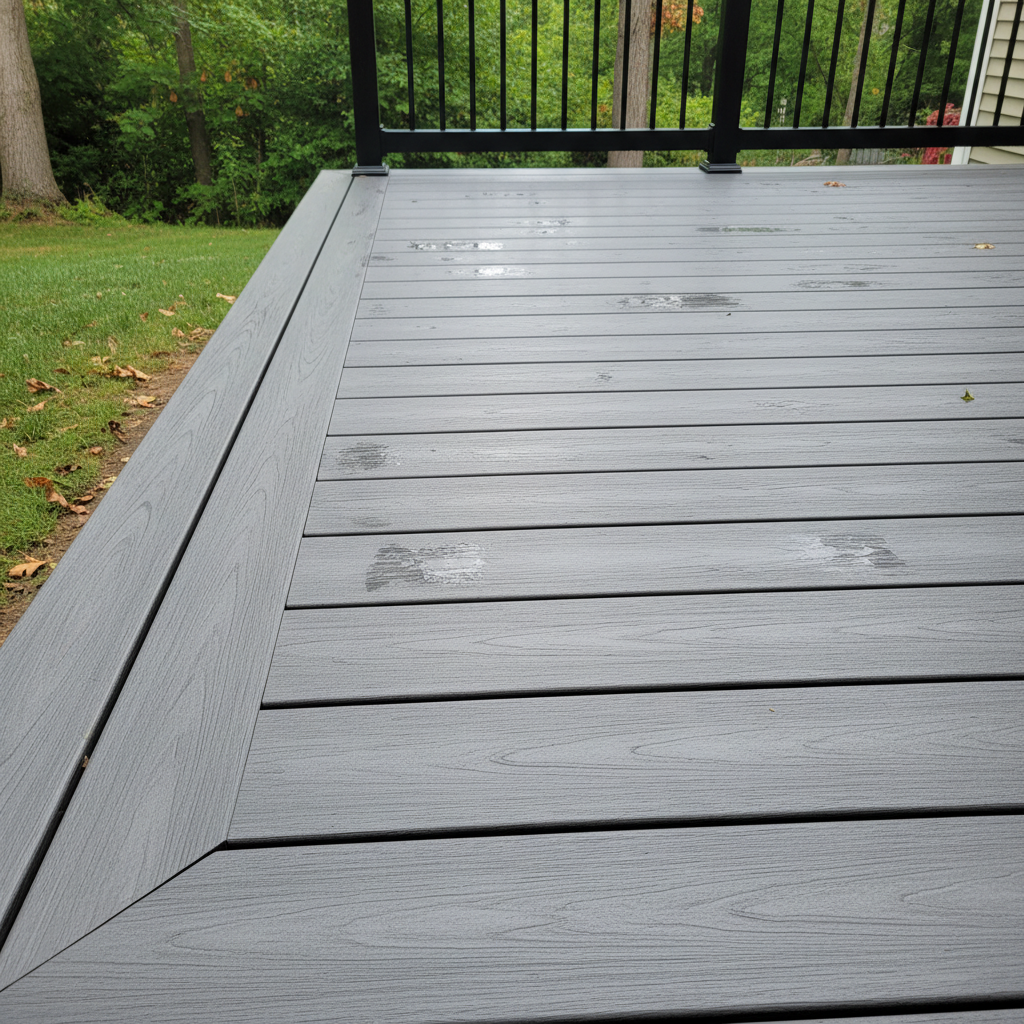
Alright, let's talk composite decks. You're probably seeing them everywhere these days, and for good reason. They're tough, they look good, and they don't demand nearly as much from you as a traditional wood deck. But before you jump in, there are a few things you really ought to know, especially living here in New Britain.
Before You Start: Planning Your Composite Deck
First off, composite isn't cheap. Let's just get that out of the way. It's an investment, plain and simple. But it's an investment that pays off in durability and low maintenance. You won't be staining it every couple of years, that's for sure. When you're planning, think about how you'll use the deck. Is it for grilling and eating? Lounging? A hot tub? That'll dictate the size and layout.
Material Choices: Capped vs. Uncapped
This is a big one. Early composite decks sometimes got a bad rap for fading or staining. Modern composites, especially the 'capped' varieties, are a whole different ballgame. Capped boards have a protective polymer shell around all sides (or at least three), making them way more resistant to scratches, fading, and mildew. Uncapped boards are still out there, usually cheaper, but they'll show their age faster. For our New England weather, with those harsh winters and humid summers, I always steer folks towards capped composite. It's worth the extra cost up front.
Permits and Regulations
Don't skip this. Building a deck in New Britain, like anywhere else, requires permits. You'll need to submit plans to the city's building department. They'll check things like setbacks from property lines, structural integrity, and railing heights. Trust me, it's a headache you don't want to deal with after the fact if you build without one. A good contractor, like us at Premium Deck Solutions, handles all this paperwork for you.
During the Build: DIY or Pro?
So, can you build a composite deck yourself? Maybe. If you're handy with tools, understand framing, and have a solid grasp of local building codes, you could tackle a smaller, simpler deck. But composite isn't like wood. It expands and contracts differently, requires specific fasteners, and cutting it properly takes a bit of finesse. You can't just slap it up there like lumber.
- Footings: This is critical, especially with our clay-heavy soil around New Britain. You need proper footings that go below the frost line (which is usually 48 inches deep here) to prevent frost heave from pushing your deck up and down. If your footings aren't right, your deck won't be level for long. This isn't a place to cut corners.
- Framing: The substructure for a composite deck needs to be sturdy and properly spaced. Composite boards are heavier than wood and can flex more if the joists are too far apart. You'll often see joist spacing at 12 or 16 inches on center, depending on the board type.
- Fasteners: Most composite decks use hidden fastening systems. These clips go between the boards, giving you a clean, screw-free surface. They're a bit trickier to install than just screwing through the face, but the finished look is miles better.
Honestly, for anything beyond a very basic, ground-level platform, I recommend hiring a professional. We've seen too many DIY deck nightmares over the years. It's not just about getting it built; it's about getting it built right and safely, so it lasts for decades.
After the Build: Living with Your Composite Deck
This is where composite really shines. The maintenance is minimal, but it's not zero.
- Cleaning: You'll still need to clean it. Dirt, pollen, leaves, and general grime will accumulate. A good scrub with a mild soap and water, or a specialized composite deck cleaner, usually does the trick. A pressure washer can be used, but be careful with the pressure setting and nozzle type. Too high, and you can damage the surface.
- Stains: Most capped composites are pretty stain-resistant. If you spill something like red wine or grease, clean it up as soon as you can. Don't let it sit for days.
- Snow Removal: Our New Britain winters mean snow. You can shovel composite, but use a plastic shovel to avoid scratching the surface. Never use a metal shovel or ice picks. If you use ice melt, make sure it's safe for composite decking; some harsh chemicals can damage the boards.
That's really it for the most part. No sanding, no staining, no sealing. Just enjoy your outdoor space. If you've got questions or are ready to talk about a new deck, give us a call. We're right here in New Britain, and we'd be happy to help you figure out the best solution for your home.